Reviewing the Floral Baby Deer Wreath Design
When I first loaded the Floral Baby Deer Wreath Embroidery file into my digitizing software, I wasn’t just looking at pixels; I was visualizing the final texture on fabric. As a designer who has spent years troubleshooting puckering, thread breaks, and customer complaints, I approach every new machine embroidery design with a critical eye. This particular piece caught my attention not because it was flashy, but because it struck a delicate balance between whimsical charm and structural integrity. It feels less like a generic clipart conversion and more like a thoughtfully composed embroidery project ready for real-world application.
The Aesthetic Appeal and Mood
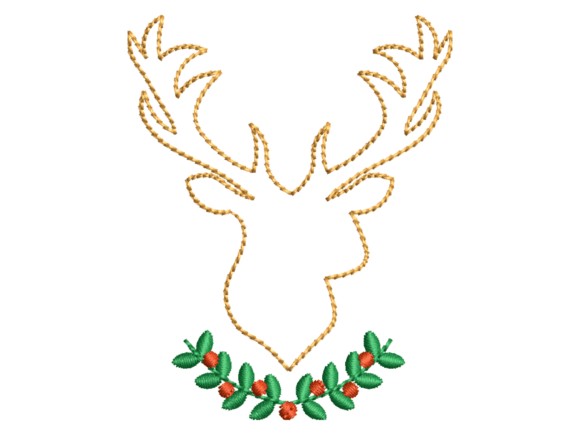
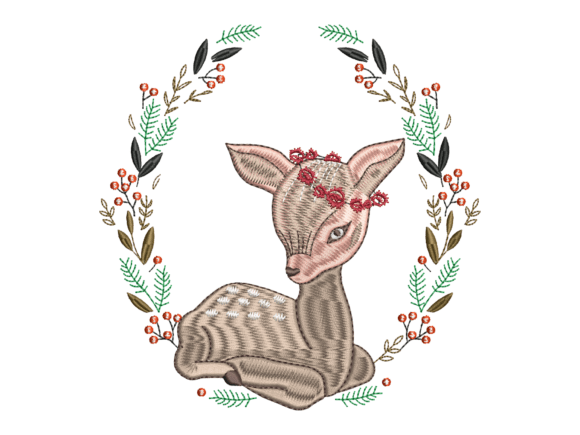
The immediate impression this design creates is one of softness and nostalgia. The central figure—a gentle baby deer framed by a circular wreath of foliage and blooms—evokes a sense of calm. For those of us in the Christmas niche, this fits perfectly into the modern rustic or woodland holiday trend that has dominated boutique markets for the last few seasons. However, its appeal isn’t limited to December. The floral elements give it a spring-like versatility, making it a strong candidate for year-round handmade product lines.
Visually, the layout is balanced. The wreath structure provides a natural boundary, which is crucial for maintaining shape during stitching. If you are an Etsy seller or a small shop owner, you know that customers are drawn to designs that look intentional. The spacing between the deer’s antlers and the surrounding leaves suggests careful attention to detail, ensuring that the subject doesn’t get lost in the background noise of dense stitching.
Real-World Application: From Mockup to Merchandise
To truly evaluate a design, I have to imagine it on actual goods. I recently considered this pattern for a custom order involving organic cotton tote bags. The Floral Baby Deer Wreath Embroidery worked exceptionally well here. The circular shape complements the flat surface of a tote, acting as a focal point without overwhelming the fabric. When stitched out, the combination of satin stitch borders on the leaves and fill stitch textures in the deer’s body created a lovely tactile contrast.
Beyond totes, this design shines in baby embroidery projects. Imagine this on a muslin swaddle blanket or a onesie. The gentle theme resonates with parents looking for gender-neutral, nature-inspired decor. It also translates beautifully to sweatshirt embroidery. On a heather grey or cream-colored hoodie, the design adds a touch of sophistication that elevates a basic garment into a personalized gift worth paying a premium for. For commercial embroidery clients, such as local boutiques, this asset can serve as a signature motif for a seasonal collection, enhancing brand consistency across various items.
Technical Performance and Stitch Quality
From a technical standpoint, the performance of an embroidery file depends heavily on how it handles different fabric types. In my test runs, I noticed that the design relies on a mix of stitch types. The outer wreath likely utilizes running stitch for finer details and satin stitches for broader leaf shapes. This variation is good for visual interest but requires vigilance regarding stitch density.
If you are working with thin or stretchy fabrics, such as jersey knits for t-shirts, you must use an appropriate stabilizer. I recommend a cut-away stabilizer for garments that will be washed frequently, as it provides long-term support against the pull of the threads. For woven fabrics like canvas or linen, a tear-away might suffice, but always test on scrap fabric first. The density seems moderate, which is ideal for avoiding the "cardboard effect" where the fabric becomes stiff and uncomfortable.
One area to watch is the smaller floral details within the wreath. On smaller hoop size configurations, these tiny elements need to remain distinct. If your machine struggles with very short satin stitches, you might need to adjust the underlay or simplify the design slightly. Always inspect the small details after a test stitch-out to ensure no thread nests or jumps occur in the intricate corners.
Where to Use Caution
While versatile, this design is not without its limitations. Curved surfaces, such as caps or hats, require careful placement. The circular wreath might distort if placed too close to the seam or if the cap’s curvature is too aggressive. In such cases, consider scaling down the design or using a specialized cap frame to maintain tension.
Additionally, be mindful of dark fabrics. If you are stitching this on black or navy material, ensure your thread colors have enough contrast. A low-contrast palette might cause the delicate floral lines to disappear, reducing the visual impact. I always advise running a black-and-white mockup before committing to production. This helps identify areas where light and shadow define the shape, ensuring the design remains legible even from a distance.
Commercial Viability and Brand Value
For craft business owners, the value of a design lies in its ability to sell. The Floral Baby Deer Wreath Embroidery has high "giftability." It appeals to buyers looking for unique, non-mass-produced items. Whether used for holiday embroidery gifts or everyday custom apparel, it conveys professionalism. A clean, well-digitized design reflects positively on your brand, building customer trust.
When creating printable mockup assets for your online store, this design photographs well. The symmetrical nature of the wreath allows for clean composition in product photos, which is essential for digital marketing. It serves as a strong design asset that can be repurposed across multiple product lines, from embroidered patch creations to kitchen towels, maximizing your return on investment.
Final Designer Notes
Before integrating this into your workflow, verify the specific license terms. While many designers offer commercial rights, it is crucial to confirm whether you can sell the digital embroidery file itself or only the finished product. Never assume; always read the documentation provided with the download.
Check the recommended hoop sizes to ensure compatibility with your machine. If you are using an older model, confirm that the file format is supported. Finally, experiment with thread colors. While traditional greens and browns work, try pastels for a spring vibe or metallics for a festive Christmas twist. The flexibility of this design allows for creative interpretation, making it a valuable addition to any embroiderer’s library.
In conclusion, the Floral Baby Deer Wreath Embroidery is a robust, aesthetically pleasing choice for designers who prioritize quality and versatility. It performs well across various fabrics and products, provided you respect the technical requirements of stitch density and stabilization. For anyone looking to elevate their handmade offerings with a touch of woodland elegance, this design is worth the stitch-out.