Reviewing the Festive Christmas Embroidery Design
As a designer who has spent countless hours staring at digitizing software and watching needles punch through fabric, I have learned that not all holiday graphics translate well into thread. When I first loaded the Festive Christmas Embroidery Design onto my machine for a test run, I was looking for more than just seasonal cheer. I was evaluating its structural integrity, stitch flow, and commercial viability. For Etsy sellers, boutique owners, and hobbyists alike, the difference between a charming handmade item and a professional-grade product often lies in the details of the digital file itself.
First Impressions and Visual Personality
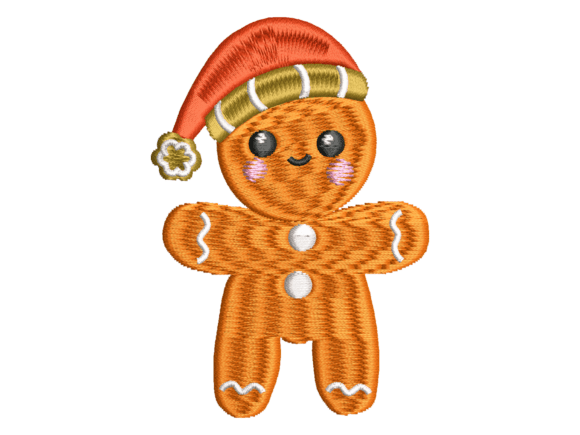
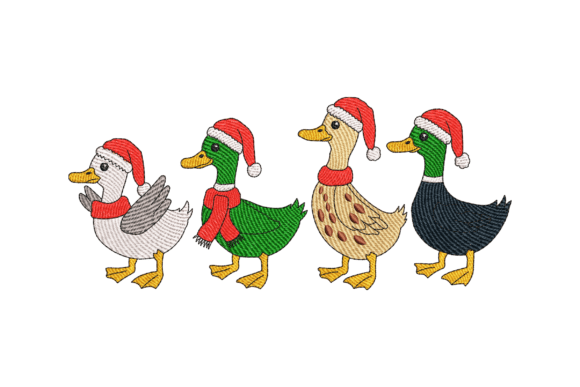
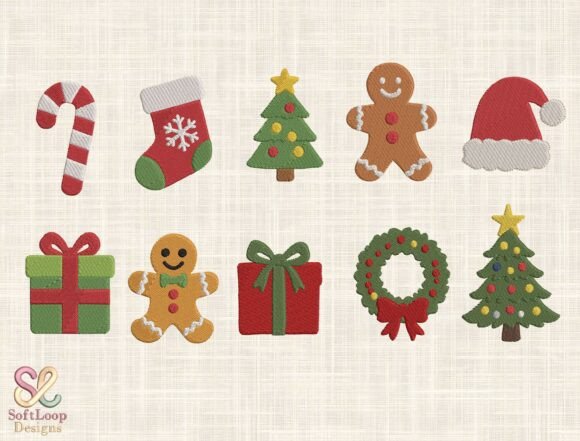
The initial view of this design suggests a balanced approach to holiday motifs. It avoids the cluttered, overly dense aesthetic that plagues many free online downloads. Instead, the layout feels open and intentional. The visual personality is warm and inviting, creating a mood that fits seamlessly into both traditional and modern home decor contexts. For a craft business owner, this versatility is crucial. You do not want a design that screams "dated" after one season. This piece maintains a classic appeal that customers recognize and trust, which is essential for building brand consistency in a small shop.
When considering where this design naturally belongs, my mind immediately went to textured fabrics. The line work suggests it would perform beautifully on a heavy cotton tote bag or a plush kitchen towel. The shapes are distinct enough to remain clear even when stitched onto materials with a noticeable weave. This is a critical factor for anyone producing handmade products for craft fairs, where tactile quality drives sales.
Real-World Application: The Holiday Tote Test
To truly evaluate the Festive Christmas Embroidery Design, I decided to use it for a custom embroidered tote bag project. This is a staple item for many embroidery entrepreneurs during the fourth quarter. I chose a natural canvas fabric, which provides a neutral background that allows thread colors to pop. The goal was to create a gift-ready item that could also serve as a printable mockup for my online store listings.
During the stitching process, I paid close attention to how the machine handled the transitions between different stitch types. The design utilizes a mix of satin stitch for borders and fill stitch for larger areas. This combination is effective because it adds dimension without creating excessive bulk. On a tote bag, you want the embroidery to feel substantial but not stiff. The result was a clean, crisp image that held its shape well after hooping. For an Etsy seller, this kind of reliability means fewer customer complaints about puckering or distortion, directly impacting buyer engagement and trust.
Performance on Apparel and Accessories
Beyond home goods, I considered how this design would perform on custom apparel. Sweatshirt embroidery requires careful handling of stitch density to prevent the garment from becoming heavy or uncomfortable. In my assessment, this design appears suitable for left-chest placement on hoodies or crewnecks. The scale seems appropriate for a subtle accent rather than an overwhelming back print. However, when moving to stretchy fabrics like jersey knits for t-shirts, extra caution is needed. A proper stabilizer is non-negotiable here to ensure the running stitch elements do not distort during wear and washing.
For those interested in creating embroidered patches, this design’s defined edges make it a strong candidate. Patches are trending in the handmade community, and a design that stitches out cleanly on twill or felt can become a high-margin small shop product. The clarity of the lines ensures that even when cut out, the motif remains recognizable and professional.
Navigating Technical Challenges
While the design shows promise, there are areas where a designer must exercise judgment. Any embroidery file requires scrutiny before being committed to a final product. One area of concern with holiday designs is often the tiny details. If this design includes fine lettering or intricate corners, it may not hold up on dark fabric if the thread contrast is not managed correctly. I always recommend testing the design in black and white mockups first. This helps identify if any elements rely too heavily on color differentiation rather than shape definition.
Curved surfaces, such as caps or baby clothes, present another challenge. The hoop size must be selected carefully to ensure the design sits flat. For baby embroidery, softness is paramount. I would advise checking the stitch density settings in your machine software. Reducing density slightly can make the finished product gentler against sensitive skin, turning a standard item into a thoughtful personalized gift. Always test on scrap fabric that matches your final material. This step saves time and materials, ensuring that your commercial embroidery projects meet professional standards.
Commercial Viability and Brand Value
From a business perspective, the Festive Christmas Embroidery Design offers solid potential for increasing product value. Customers are willing to pay more for items that look meticulously crafted. A clean, well-digitized design signals professionalism. It tells the buyer that the maker cares about quality, which fosters loyalty and repeat business. Whether you are selling digital embroidery files or finished physical goods, the presentation matters. Using this design in high-quality photos for your Etsy listings can significantly boost click-through rates.
However, commercial use comes with responsibilities. Before listing any items for sale, confirm the licensing terms associated with the design assets. Some creators allow unlimited commercial use, while others restrict it to a certain number of physical items. Understanding these boundaries protects your craft business from legal issues and ensures ethical practices within the creative entrepreneur community.
Practical Designer Notes
- Check Thread Color Contrast: Ensure your chosen thread colors stand out against the fabric texture. High contrast improves readability and visual appeal.
- Review Stitch Density: Adjust density based on the fabric weight. Lower density for stretchy or thin fabrics to prevent puckering.
- Confirm Hoop Size: Make sure the design fits comfortably within your hoop, leaving enough margin for stable hooping.
- Inspect Small Details: Zoom in on the digital preview to check for tiny jumps or fragile connections that might break during stitching.
- Use Proper Stabilizer: Match the stabilizer type to the fabric. Cut-away for stretchy knits, tear-away for stable wovens.
- Test Before Selling: Always stitch a sample on the actual material you plan to sell to verify the finished product quality.
In conclusion, this design serves as a reliable tool for holiday production. It balances aesthetic charm with technical practicality, making it a viable choice for both novice hobbyists and experienced apparel decorators. By approaching each project with a critical eye and adhering to best practices in machine embroidery, you can transform this digital asset into a tangible success for your business.