Reviewing Minimal Deer Antler Embroidery for Real Projects
As a designer who spends more time staring at stitch previews than actual fabric, I have learned to be skeptical of "minimalist" claims. Often, minimal turns into messy, or worse, invisible once the needle hits the cloth. However, when I loaded the Minimal Deer Antler Embroidery file into my software this morning, I paused. It wasn’t just simple; it was intentional. For those of us running small embroidery businesses or crafting personalized gifts, finding a design that balances aesthetic appeal with technical reliability is rare. This review breaks down how this specific asset performs in real-world scenarios, from boutique apparel to holiday decor.
First Impressions and Visual Mood
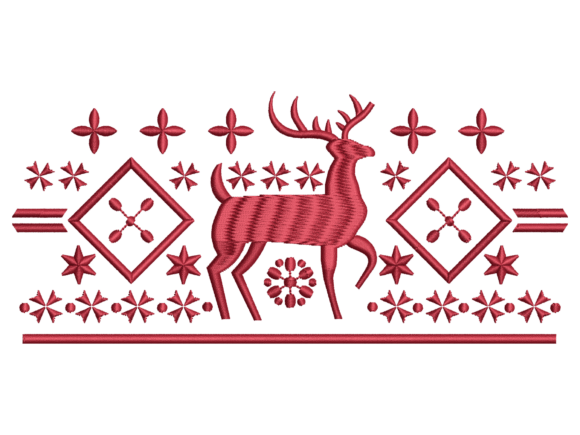
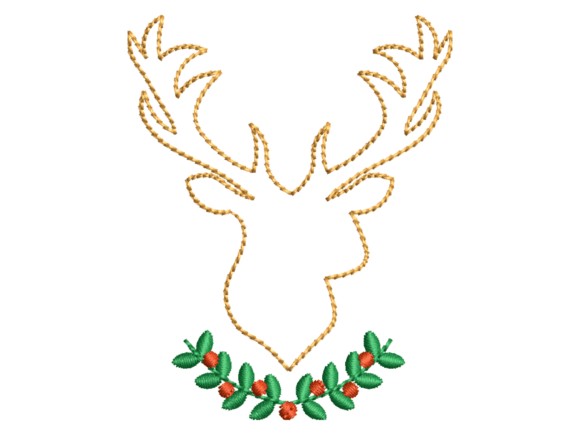
The immediate takeaway from this design is its quiet confidence. In a market saturated with overly complex, dense patterns, this piece relies on negative space and clean lines. The antler shape is stylized rather than hyper-realistic, which works in its favor. Realism often requires high stitch counts and tiny details that can get lost or cause puckering. This design avoids those pitfalls by using bold, clear pathways.
The mood it creates is rustic yet modern. It feels at home in a cabin setting but equally appropriate for a contemporary urban apartment. For an Etsy seller or craft business owner, this versatility is gold. You are not limited to one demographic. The visual personality suggests warmth and nature without screaming "holiday cliché," making it a strong candidate for year-round products, though it naturally shines during the winter season.
Real-World Application: The Tote Bag Test
To truly evaluate a machine embroidery design, you have to imagine it on a product. I visualized this antler motif on a heavy canvas tote bag. This is a popular item for small shop products and boutique branding. Because the design is minimal, it does not overwhelm the texture of the canvas. A dense fill stitch might look heavy and stiff on a bag that needs to remain flexible, but this layout likely utilizes a combination of running stitch and light satin work.
If you are creating a personalized gift or a handmade product for a client, placement is key. On a tote, centering this design allows the natural symmetry of the antlers to anchor the piece. For a sweatshirt, placing it slightly off-center on the chest creates a more fashion-forward look. The simplicity ensures that even if the fabric shifts slightly during wear, the design remains legible and attractive. It does not rely on perfect alignment of microscopic details to make an impact.
Performance on Different Fabrics and Hoops
One of the biggest challenges in commercial embroidery is adapting one file to multiple materials. Here is where the Minimal Deer Antler Embroidery shows its strengths and weaknesses.
- Cotton and Linen: These are ideal. The crispness of the stitches contrasts beautifully with the natural weave. Use a medium-weight cut-away stabilizer to prevent any distortion, especially if the design includes any longer spans between stitch points.
- Fleece and Sweatshirts: This is a prime use case for sweatshirt embroidery. The minimal nature means less bulk. Heavy designs can make fleece feel stiff and uncomfortable. This design should sit lightly on the surface, maintaining the garment's softness.
- Dark Fabrics: Be cautious here. If the design relies on subtle shading, it may vanish on black or navy. Ensure your thread colors have high contrast. A cream or metallic thread on dark cotton creates a striking, premium look.
- Stretchy Knits: Always test on scrap fabric first. While the design is not dense, any embroidery on stretchy material requires proper stabilization. A tear-away might not be enough if the antlers have wide spans; consider a lightweight cut-away for longevity.
Regarding hoop size, this design is likely versatile. It should fit comfortably in a 4x4 inch hoop, making it perfect for embroidered patches, baby hats, or pocket accents. It can also scale up for larger hoops if you need a statement piece on a pillow cover or blanket. However, always check the specific dimensions in your digital embroidery file before purchasing or stitching.
Technical Considerations for Designers
From a technical standpoint, minimal designs can be tricky. They leave little room for error. If a thread breaks or a needle skips, it is immediately noticeable because there is no dense background to hide it. Therefore, machine maintenance is crucial when running this file.
Pay close attention to stitch density. If the file uses too few stitches in long runs, the threads may snag or look loose. If it uses too many, it defeats the purpose of being minimal. Inspect the stitch path in your software. Look for efficient travel moves and secure tie-offs. A well-digitized minimal design will have clean entry and exit points.
Also, consider the thread type. A matte cotton thread will enhance the rustic, handmade feel. A shiny rayon or polyester might look too industrial for this particular motif. For a holiday embroidery project, a subtle metallic thread could add a festive touch without compromising the clean lines.
Commercial Viability and Brand Consistency
For digital product sellers and craft business owners, consistency builds trust. This design offers a cohesive look that can be part of a larger collection. Imagine pairing it with simple pine branches or snowflakes for a winter line. The consistent style helps customers recognize your brand aesthetic.
When creating printable mockups or promotional images, this design photographs well. It does not create harsh shadows or glare, which simplifies your marketing workflow. High-quality visuals lead to better buyer engagement on platforms like Etsy. Customers appreciate seeing how a design looks on actual garments rather than just digital renders.
However, always verify licensing terms. Just because a design is simple does not mean it is free for unlimited commercial use. Confirm whether the embroidery file allows for mass production or if there are limits on the number of finished items you can sell. Protecting your business starts with respecting intellectual property.
Final Verdict
The Minimal Deer Antler Embroidery is a solid addition to any designer’s library. It is not flashy, but it is functional, elegant, and adaptable. It solves the common problem of finding a nature-inspired motif that does not feel dated or overly complicated. Whether you are stitching a custom apparel piece for a client, creating a batch of tote bag design prototypes, or making a personalized gift for a friend, this design delivers professional results with minimal fuss.
Remember to test on your specific fabric, choose your thread colors wisely, and stabilize appropriately. With these precautions, this design will elevate your finished product and help you stand out in a crowded market. It is a reminder that sometimes, less really is more, provided the execution is precise.