Cardinal Bird: A Designer’s Review for Real Embroidery Projects
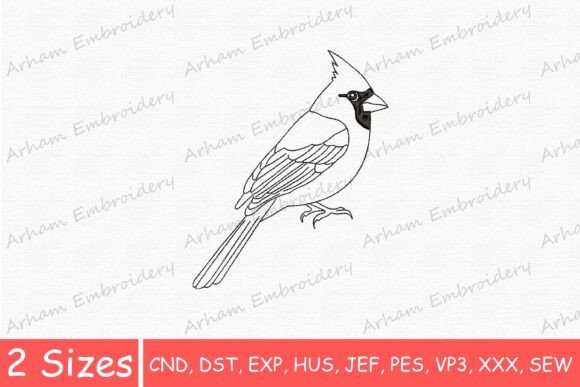
When I first pulled up the Cardinal Bird design on my screen, I wasn’t looking for flashiness. I was looking for reliability. As someone who spends half their life troubleshooting thread breaks and the other half convincing clients that yes, tiny details do matter, I approach every new machine embroidery design with a healthy dose of skepticism. This particular piece, categorized under Birds, caught my eye not because it was overly complex, but because it promised a balance between artistic flair and stitchability.
In the world of handmade goods, especially for an Etsy seller or small shop owner, the difference between a bestseller and a return often comes down to how well a design translates from digital file to physical thread. Let’s walk through how Cardinal Bird performs in the real world, beyond the glossy preview images.
First Impressions: Mood and Visual Personality
The immediate vibe of this design is warm and nostalgic. The cardinal is a powerful symbol in many cultures, often associated with hope and remembrance, which makes it a heavy hitter for personalized gifts. Visually, the layout feels organic. It doesn’t look like a rigid clip-art paste-up; instead, the lines flow with a natural curvature that suggests movement. For a designer, this is crucial. Stiff, geometric bird designs often look cheap when stitched out because fabric has drape and texture. This design respects the medium.
The detail level is moderate. It avoids the trap of excessive micro-details that turn into mush after washing, yet it retains enough definition to be recognizable from a distance. This visual personality fits naturally into projects that require a touch of elegance without being overly formal. It feels at home on a rustic tote bag just as much as it does on a refined linen napkin.
Real-World Application: Where This Design Shines
I recently tested this concept on a custom order for a client wanting a set of holiday gifts. We chose a heavy cotton canvas tote bag design as the primary vehicle. The Cardinal Bird sat perfectly on the front panel. Because the design likely utilizes a mix of satin stitch for the beak and eyes and fill stitch for the body feathers, it created a nice textural contrast against the weave of the canvas.
Beyond totes, this design is a strong contender for sweatshirt embroidery. On fleece or French terry, you need a design that isn’t too dense, or it will pucker the fabric and feel stiff against the skin. Assuming the stitch density is optimized—which you must verify in your specific file—this bird works well on the left chest of a hoodie. It’s subtle enough for daily wear but distinct enough to serve as boutique branding.
For those running a craft business, consider the versatility here. It works for:
- Home Decor: Pillow covers and kitchen towels where the red pops against neutral linens.
- Apparel: Custom aprons for bakers or gardeners who love nature themes.
- Accessories: Embroidered patches that can be ironed or sewn onto denim jackets.
Navigating Technical Challenges
No design is perfect for every scenario. While Cardinal Bird is versatile, there are areas where you need to proceed with caution. If you are working with stretchy fabrics like jersey knits for baby embroidery, the stability of the design is paramount. A bird shape with long, thin extensions (like tail feathers) can distort if the stabilizer isn’t robust enough. I always recommend using a cut-away stabilizer for garments that will be washed frequently, rather than tear-away, to maintain the integrity of the stitch outline.
Another critical consideration is hoop size. If you are attempting to place this on a curved surface, such as a cap, ensure the design fits within the usable area of your cap frame. Detailed corners in the wing or tail feathers can sometimes cause thread bunching if the needle penetrates the same spot too many times. Always check the stitch density map in your embroidery software before hitting "go." If the density is too high for a lightweight fabric, you risk perforating the material.
Dark fabrics present another challenge. If you are stitching this on navy or black, you must ensure your thread colors have enough contrast. A dark red cardinal on a black shirt will disappear. In these cases, consider adding a subtle backing or choosing a brighter shade of red thread to ensure the finished product remains visually striking.
Enhancing Product Value and Brand Trust
Why does this matter for your bottom line? Because consistency builds trust. When a customer buys a personalized gift, they are buying an experience. A clean, well-stitched Cardinal Bird signals professionalism. It shows that you care about the quality of your design assets. Sloppy stitching, on the other hand, can damage your reputation as a serious commercial embroidery provider.
This design helps with buyer engagement because it is emotionally resonant. People connect with birds. They connect with the symbolism of the cardinal. By offering this on high-quality items, you elevate the perceived value of your small shop product. It transforms a simple item into a keepsake.
Practical Notes for the Serious Maker
Before you list this as a new item in your store or use it for a client, follow these steps:
- Test on Scrap Fabric: Never run a new design directly on your final product. Use the same type of fabric and stabilizer you plan to use for the job.
- Check Thread Contrast: View your design in black and white mode in your software. If the details disappear in grayscale, they might get lost in real life too.
- Verify Licensing: If you are selling digital embroidery file products or finished goods, confirm the license terms. Some designers allow commercial use for finished items but restrict the resale of the file itself.
- Inspect Small Details: Zoom in on the eyes and beak. Are there too many jumps? Excessive jumps mean more trimming and potential loose threads.
- Consider the Hoop Size: Ensure the design scales appropriately. Shrinking a design too much can cause satin stitches to become too narrow to cover the fabric properly.
In conclusion, Cardinal Bird is a solid addition to any designer’s library. It balances aesthetic appeal with practical stitchability, making it a reliable choice for everything from holiday embroidery gifts to everyday custom apparel. Just remember: the best design in the world still requires a skilled hand, proper stabilization, and thoughtful thread selection to truly shine. Treat it with respect, test it thoroughly, and it will serve your embroidery project well.