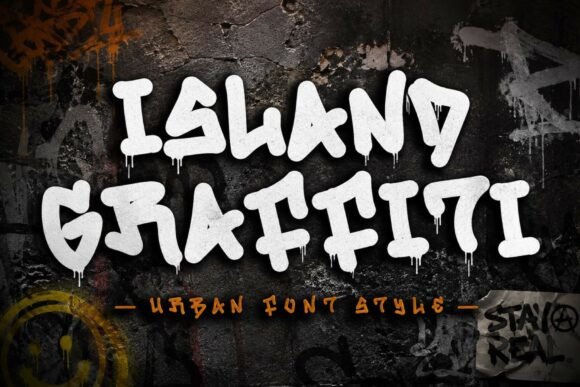
Island Graffiti: A Designer’s Review for Real Embroidery Projects
When I first pulled up the Island Graffiti file on my screen, I wasn’t looking for just another decorative element. As a designer who spends half my life tweaking stitch paths and the other half managing client expectations, I look for designs that bridge the gap between artistic flair and technical reliability. This piece, categorized under Display, immediately struck me as a bold statement maker. It doesn’t whisper; it speaks with the confidence of street art translated into thread. But does it hold up when the needle hits the fabric? That is the question every serious crafter needs to answer before committing to a full production run.
The First Impression: Mood and Visual Personality
The visual personality of Island Graffiti is distinct. It captures that relaxed, coastal vibe but twists it with an urban edge. The layout feels organic rather than rigid, which is crucial for modern handmade products. In a market saturated with perfect, symmetrical monograms, this design offers a break from tradition. It suggests movement and spontaneity. For embroidery designers, this means the stitch flow needs to mimic that freehand energy without sacrificing structural integrity. The detail level is moderate—enough to create interest from a distance, but not so dense that it becomes a puckering nightmare on lighter fabrics.
I imagine this design sitting perfectly on a canvas tote bag or a heavyweight sweatshirt. It has the kind of visual weight that demands attention but remains approachable. It is not overly intricate, which makes it versatile for various embroidery project types, from quick gift items to boutique merchandise.
Real-World Application: From Mockup to Finished Product
To truly evaluate Island Graffiti, I mentally placed it into a real-life scenario. Imagine a small shop owner preparing for a summer craft fair. They want a standout item that screams "vacation mode" but still feels high-quality. A neutral-colored linen tote bag becomes the ideal canvas. Here, the design acts as the focal point. Because it falls under the Display category, it is meant to be seen and appreciated, not hidden under layers or lost in complex patterns.
If you are an Etsy seller or run a craft business, this design could elevate a simple custom apparel order. Picture it embroidered on the chest of a heather grey crewneck. The contrast between the soft fabric texture and the sharp, graffiti-inspired lines creates a tactile experience that buyers love. It transforms a basic garment into a personalized gift or a unique small shop product. The key here is placement. On a curved surface like a cap, the design would need careful digitizing to ensure the lines don’t distort, but on flat surfaces like aprons or pillow covers, it shines.
Performance on Different Materials
One of the most critical aspects of using any machine embroidery design is understanding how it interacts with fabric. Island Graffiti appears to rely on a mix of satin stitch borders and potentially some fill stitch areas to create depth. This combination works beautifully on stable, medium-to-heavyweight fabrics like denim, canvas, or twill. These materials provide the necessary support for the stitches to lie flat and crisp.
However, caution is advised when working with textured or stretchy fabrics. If you attempt this on a thin, stretchy jersey for a baby item, you must use a high-quality cut-away stabilizer. Without proper stabilization, the tension from the fill areas could cause the fabric to pucker, ruining the clean lines that define the graffiti aesthetic. For baby embroidery or delicate holiday embroidery projects on lighter cloth, consider scaling the design down slightly to reduce overall stitch density, ensuring the finished product remains soft and wearable.
Technical Considerations for the Serious Maker
Before you hit "start" on your machine, there are practical steps to ensure success. As a reviewer, I always advise testing the embroidery file on scrap fabric first. This is non-negotiable. Check how the thread colors interact with your chosen background. Island Graffiti likely relies on strong contrast to maintain its legibility. On dark fabric, you may need to adjust your thread palette to ensure the design pops, whereas on light fabric, subtle tonal variations might work better.
Pay close attention to the small details. Graffiti styles often include sharp corners or sudden changes in direction. Ensure your machine handles these transitions smoothly. If the design includes tiny lettering or intricate accents, verify that your needle size is appropriate to prevent thread breaks or skipped stitches. Also, consider the hoop size required. While I do not have the exact dimensions here, always confirm that the design fits comfortably within your hoop with adequate margin for stability.
Commercial Viability and Brand Consistency
For those selling digital embroidery files or finished goods, Island Graffiti offers strong commercial potential. It fits well within current trends that favor authenticity and handcrafted vibes. Using this design in your printable mockup previews can help customers visualize the final result, increasing buyer engagement. It adds a layer of professionalism to your brand if executed well, showing that you care about design quality and stitching clarity.
However, always check the licensing terms. Whether you are creating embroidered patch designs for resale or using it in commercial embroidery for corporate clients, knowing your rights is essential. Confirm whether the license allows for unlimited physical sales or if there are restrictions. This due diligence protects your business and builds trust with your customers.
Final Verdict: Is It Worth the Thread?
Island Graffiti is a compelling addition to any designer’s library. It balances artistic expression with practical application, making it suitable for a wide range of projects from tote bag design concepts to upscale sweatshirt embroidery. Its strength lies in its ability to convey mood instantly while remaining technically manageable for intermediate to advanced embroiderers.
Remember, the beauty of a finished product depends heavily on execution. Use the right stabilizer, choose high-quality threads, and test on similar fabrics before committing to client work. If you treat this design with the respect it deserves, it will reward you with a stunning, durable piece of art that resonates with anyone who values handmade quality. Whether you are a hobbyist looking to spice up your home decor or a professional expanding your design assets, this piece deserves a spot in your next project lineup.