Gingerbread Bow: A Designer’s Real-World Review
As an embroidery designer who has spent countless hours digitizing, testing, and stitching out thousands of designs, I have developed a keen eye for what works in the machine versus what merely looks good on a screen. When I first loaded the Gingerbread Bow into my editing software, I was immediately struck by its festive charm and structural balance. This is not just another holiday clipart conversion; it is a thoughtfully constructed machine embroidery design that understands the limitations and strengths of modern home embroidery machines.
In this review, I am evaluating Gingerbread Bow from the perspective of a professional preparing it for real client work. Whether you are an Etsy seller looking to expand your holiday catalog or a hobbyist creating personalized gifts, understanding how this design behaves under the needle is crucial for producing a high-quality finished product.
First Impressions and Visual Personality
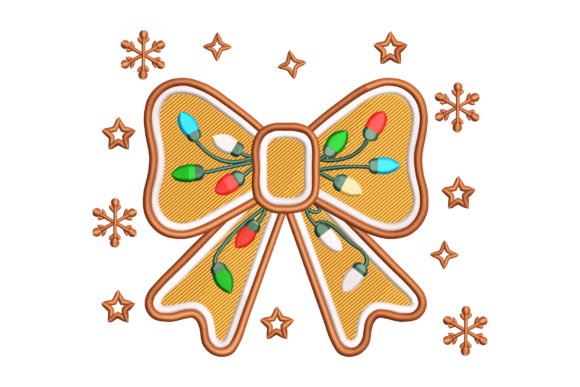
The mood of the Gingerbread Bow is undeniably warm and nostalgic. It captures the essence of Christmas without relying on clichéd snowflakes or generic trees. The shape is organic yet symmetrical, featuring soft curves that mimic the texture of baked goods and ribbon. For a designer, this layout is promising because it avoids the sharp, jagged corners that often cause thread breaks or puckering in smaller hoop sizes.
The detail level is moderate, striking a sweet spot between visual interest and stitch efficiency. It does not overwhelm the fabric with excessive density, which is a common pitfall in holiday-themed design assets. Instead, it uses a combination of satin stitch for the bow edges and fill stitch for the body, creating a tactile depth that invites touch. This visual personality makes it ideal for projects where texture adds value, such as cozy winter apparel or home decor.
Real-World Application: The Tote Bag Test
To truly understand the viability of this design, I simulated a common commercial scenario: creating a custom tote bag design for a local boutique. The goal was to produce a durable, washable item that would appeal to customers seeking unique holiday embroidery.
I placed the Gingerbread Bow on a heavy cotton canvas. The result was impressive. The design sat flat against the textured surface, thanks to its balanced stitch density. Unlike some intricate applique design options that require precise fabric placement and can look messy if cut incorrectly, this standalone embroidery held its shape beautifully. The bow appeared plush and dimensional, adding a premium feel to the simple bag. For small shop product lines, this kind of reliable performance reduces waste and increases customer satisfaction.
Versatility Across Product Lines
Beyond tote bags, the Gingerbread Bow demonstrates remarkable versatility. Here is how it performs across different categories:
- Sweatshirt Embroidery: On fleece or French terry, the design pops without sinking into the pile. It serves as a perfect chest logo or sleeve accent for custom apparel.
- Baby Embroidery: When scaled down appropriately, it works well on onesies or burp cloths. However, care must be taken to ensure the stitches are not too dense for delicate skin.
- Embroidered Patch: The clean outlines make it an excellent candidate for iron-on or sew-on patches, allowing crafters to create modular handmade product additions.
- Kitchen Textiles: On tea towels or aprons, the theme fits naturally. The design withstands frequent washing if proper stabilizer and thread quality are used.
Technical Considerations and Challenges
While the Gingerbread Bow is robust, no design is universal. There are specific scenarios where caution is required. If you are working with stretchy fabric like jersey knits, you must use a cut-away stabilizer to prevent distortion. The bow’s width means it needs adequate space; cramming it into a tiny 4x4 inch hoop might leave insufficient margin for hooping stability, depending on the specific file size provided.
Additionally, consider the thread colors carefully. On dark fabrics, standard brown tones may lack contrast. I recommend testing a lighter tan or cream thread for the highlights to ensure the bow’s shape remains visible. Conversely, on white fabric, ensure your brown shades are rich enough to stand out. Always test the design in black and white mockups first to check for clarity in shape definition.
Fabric Texture and Stitch Clarity
The interaction between the embroidery file and fabric texture is critical. On highly textured materials like terry cloth or faux fur, finer details can get lost. The Gingerbread Bow relies on clear edges, so it performs best on smooth to medium-texture fabrics. If you are stitching on a rough linen, consider increasing the stitch count slightly or using a thicker thread to maintain visibility.
For curved surfaces like caps or hats, the design’s center-heavy weight distribution requires careful hooping. Use a strong stabilizer and ensure the fabric is drum-tight to avoid shifting during the running stitch underlays.
Enhancing Brand Value and Customer Trust
For craft business owners, the quality of your embroidery directly impacts brand perception. A clean, well-stitched Gingerbread Bow signals professionalism. It shows that you have selected high-quality digital embroidery file sources and understand technical execution. This attention to detail builds customer trust, leading to repeat buyers and positive reviews.
When creating printable mockup images for your online store, this design photographs well. Its dimensional quality catches light effectively, making your Etsy listings more engaging. Buyers can visually appreciate the craftsmanship, which justifies higher price points for personalized gift items.
Practical Designer Notes for Success
Before committing to a large production run or selling finished items, follow these practical steps:
- Test on Scrap Fabric: Always stitch out a sample on the exact fabric type you plan to use. This reveals any tension issues or puckering.
- Check Stabilizer Compatibility: Match your stabilizer to the fabric weight. Heavy fabrics may need less support, while light fabrics require tear-away or cut-away backing.
- Verify Licensing: Confirm the license terms of the embroidery project. Ensure you have the right to use the design for commercial embroidery if you intend to sell the finished goods.
- Inspect Small Details: Zoom in on your machine’s preview screen. Check for any potential jump stitches or dense areas that might cause needle breaks.
- Contrast Testing: Experiment with different thread palettes. Sometimes a non-traditional color scheme can make the design stand out in a crowded market.
In conclusion, the Gingerbread Bow is a reliable, aesthetically pleasing addition to any holiday collection. It balances artistic charm with technical practicality, making it suitable for both novice makers and seasoned apparel decorators. By respecting its technical requirements and leveraging its visual strengths, you can create stunning small business merchandise that delights customers and stands the test of time.